A lower construction rate can be attractive, but the real comparison is the scope behind the number. This guide gives homeowners a practical framework for evaluating a construction company before signing a project.
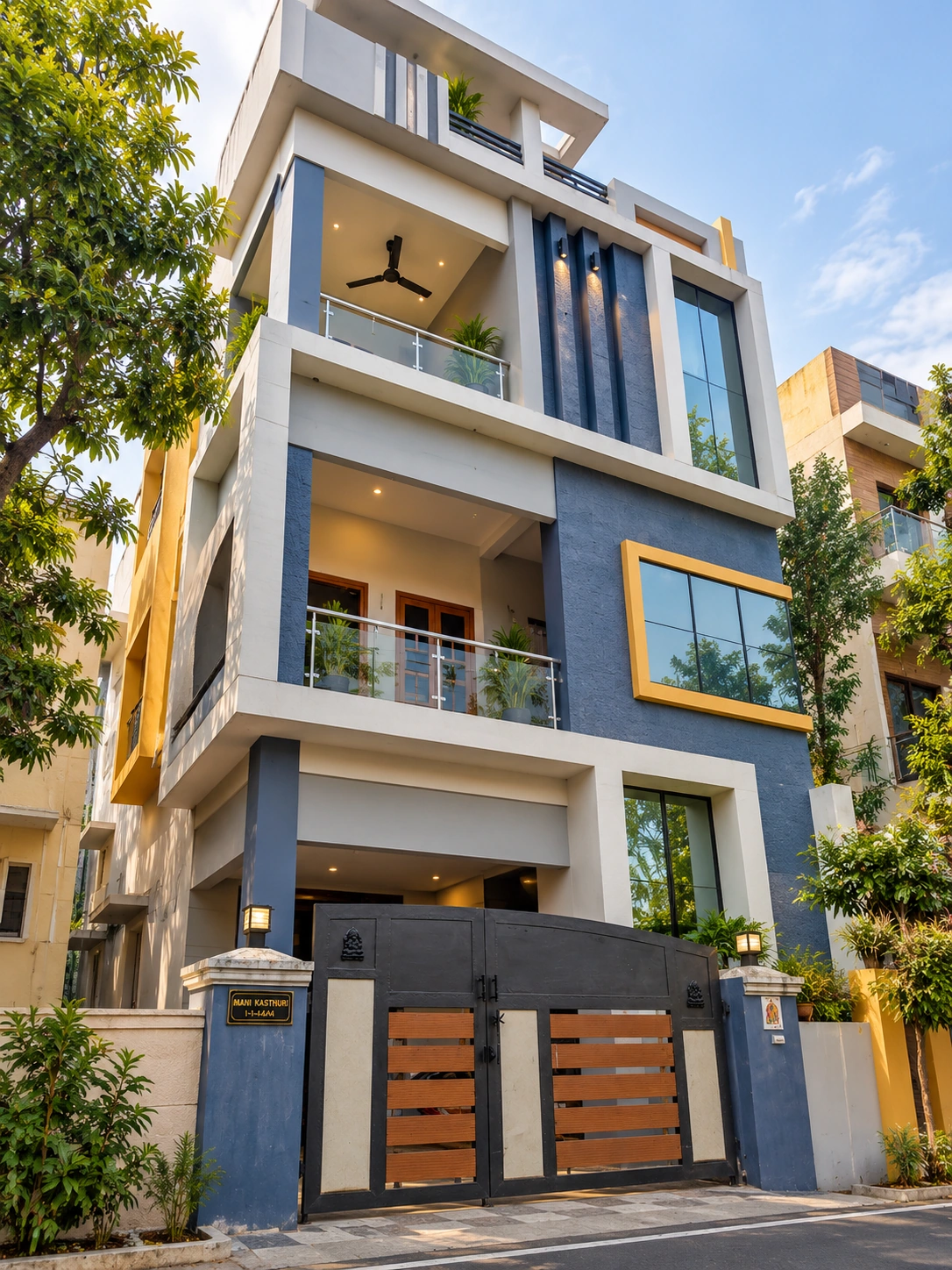
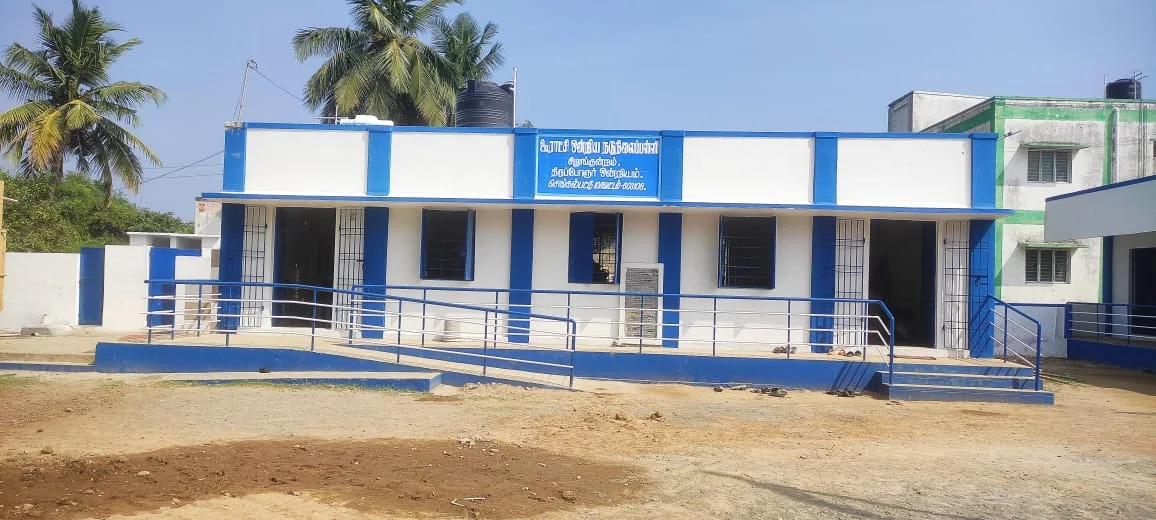
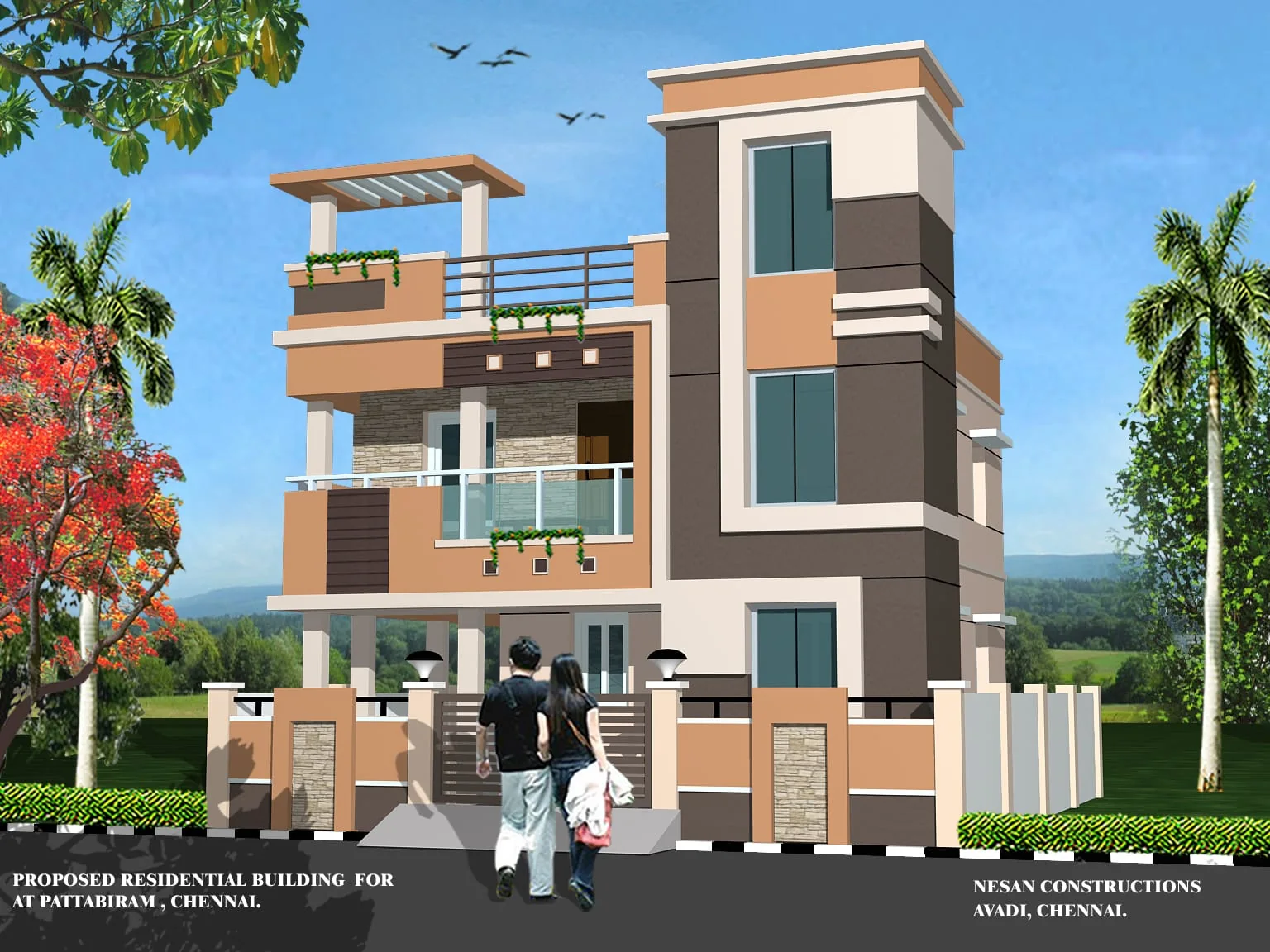
Real project imagery for context.
These images come from the current KAINOS project library and are included to show the visual language of residential, commercial and design-stage work.
ASK WHAT THE RATE ACTUALLY COVERS
Check whether the quoted rate includes design, structural work, waterproofing, windows, doors, flooring, sanitaryware, electrical accessories, painting, water tanks, external works and site coordination. If a major item is omitted, the headline rate is not a meaningful comparison.
COMPARE THE BOQ, NOT THE BROCHURE
A BOQ should turn broad promises into measurable scope. Ask how specifications and quantities will be documented and what happens when an item changes.
UNDERSTAND WHO RUNS THE SITE
Find out who coordinates labour, materials, drawings, inspections and day-to-day site decisions. Clear responsibility matters because construction is a sequence of dependencies.
LOOK FOR DESIGN-BUILD COORDINATION
When design, structure and services are disconnected, homeowners often become the messenger between teams. An integrated process can reduce that coordination burden.
CHECK COMMUNICATION AND CHANGE CONTROL
Ask how changes are priced, approved and recorded. A well-run project should have a visible path from request to revised scope.
USE THE FIRST MEETING TO TEST CLARITY
A good first discussion should produce better questions, not just a sales pitch. Share the plot, approximate size, desired rooms and expected specification and see whether the response is specific enough to help you make the next decision.
Use the guide with your actual project documents.
Online guidance can help you ask better questions, but the final construction scope should be based on the actual plot, drawings, engineering requirements, selections and project-specific BOQ.