Most construction problems are not dramatic failures. They are small decisions that were unclear, delayed or left undocumented until they became expensive. Here are ten to watch.
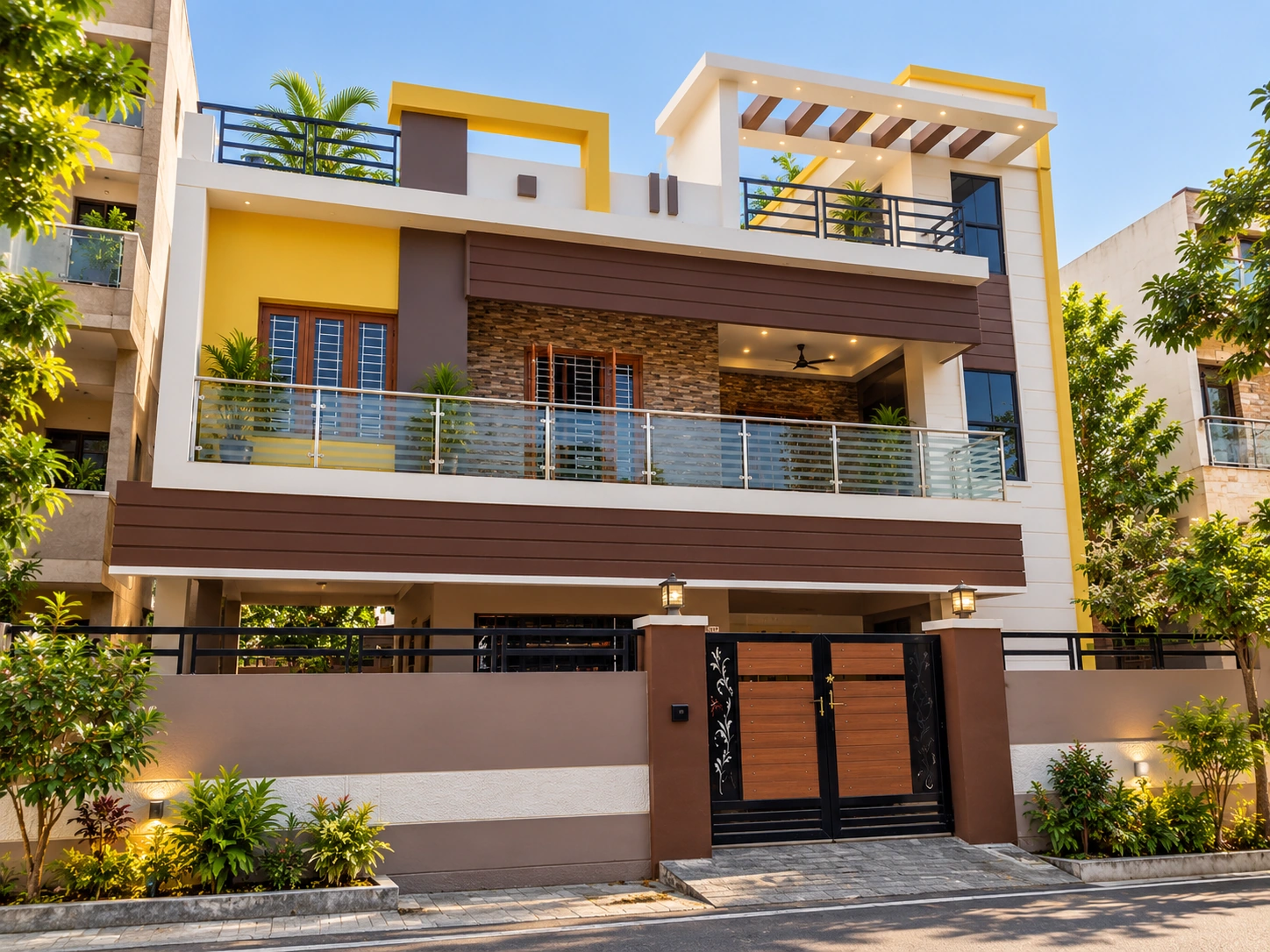
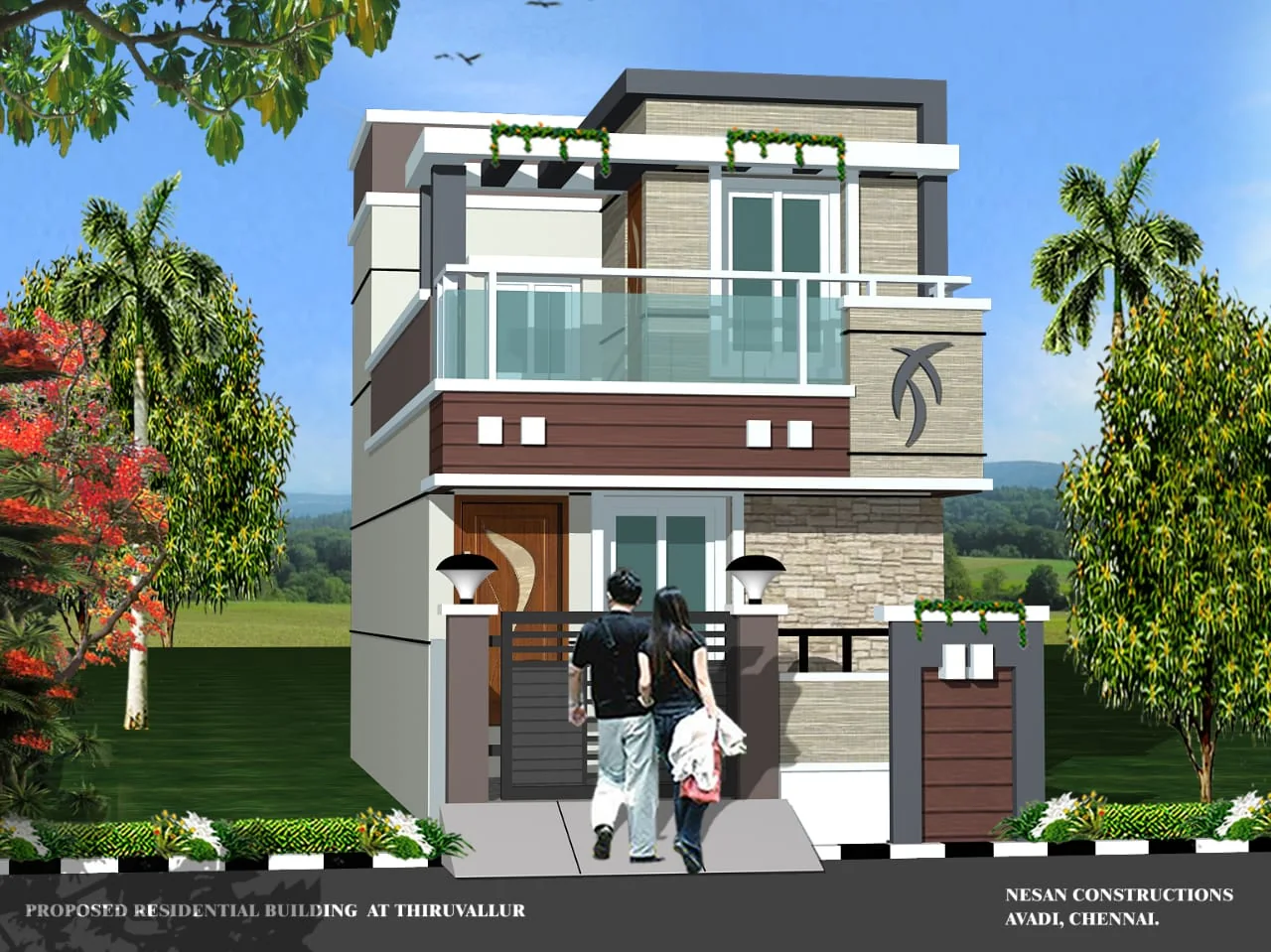
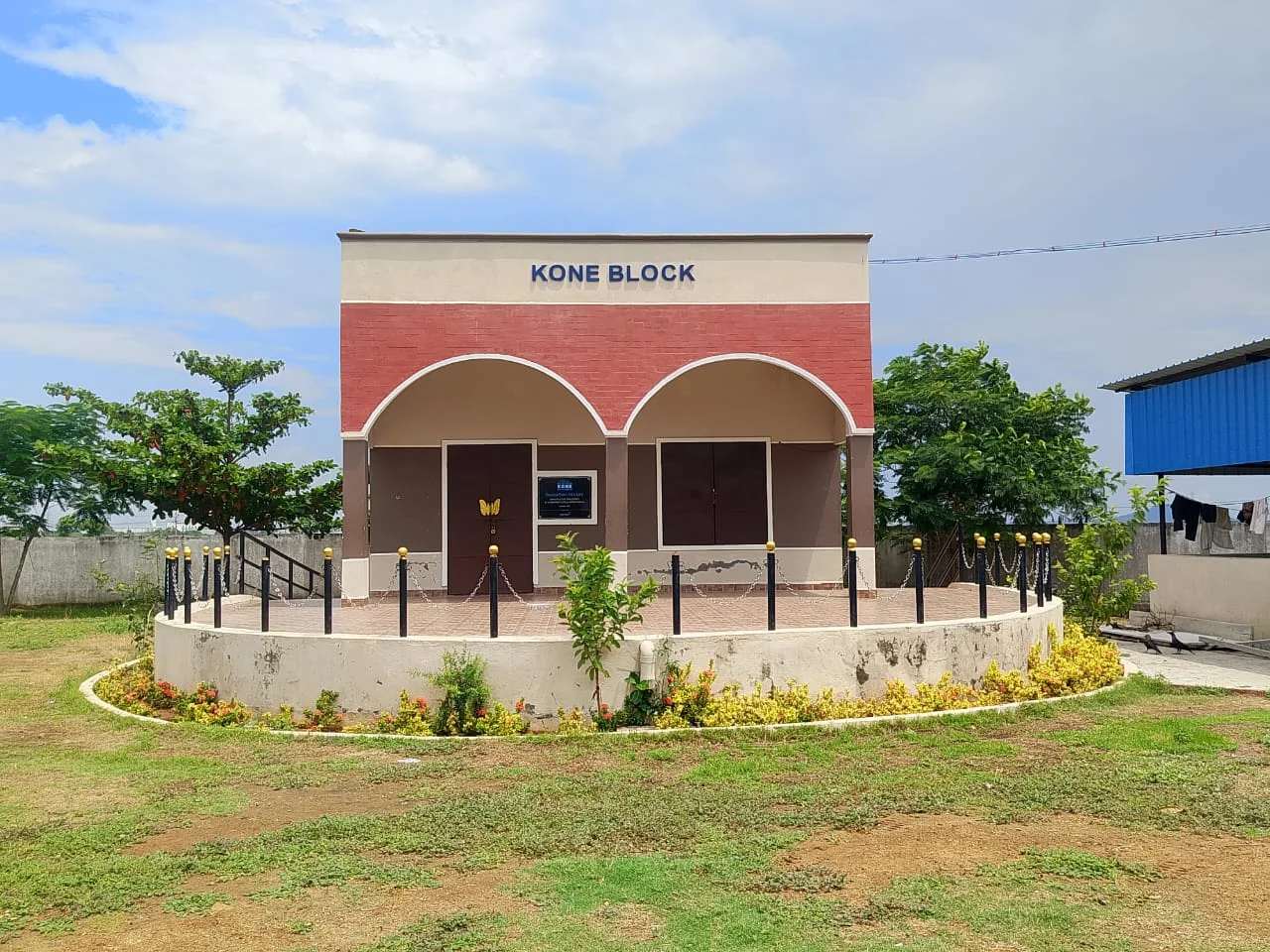
Real project imagery for context.
These images come from the current KAINOS project library and are included to show the visual language of residential, commercial and design-stage work.
1. STARTING WITHOUT A CLEAR SCOPE
A house can be “quoted” long before the actual scope is clear. Resolve room requirements, built-up area, finish level and exclusions early.
2. COMPARING ONLY ₹/SQFT
Two projects can have different specifications even when the headline rate looks similar. Compare what is inside the rate.
3. CHANGING LAYOUTS LATE
Moving a bathroom, kitchen or staircase after services and structure are coordinated can trigger multiple downstream changes.
4. TREATING WATERPROOFING AS A FINISH
Waterproofing sits underneath finishes. Give wet areas, roofs, balconies and other exposed zones proper specification and testing attention.
5. IGNORING SITE LOGISTICS
Limited access, storage and material movement can affect productivity. Plan how concrete, steel, blocks, tiles and joinery will reach the site.
6. BUYING MATERIALS WITHOUT A SPECIFICATION
“Good quality” is not a measurable instruction. Record brand, model, grade, size, finish or allowance where relevant.
7. LATE ELECTRICAL DECISIONS
Switches, sockets, appliance points, data points and lighting positions should be coordinated before walls and ceilings are closed.
8. FORGETTING FUTURE PROVISIONS
Think about EV charging, solar, additional storage, backup power, network coverage and possible future room changes while access is still easy.
9. NO CHANGE CONTROL
Every change should have a visible impact on cost, schedule and scope. Verbal changes are hard to reconcile later.
10. SKIPPING THE SNAG LIST
A final walkthrough should record incomplete or defective work. Close the list systematically before treating the project as complete.
Use the guide with your actual project documents.
Online guidance can help you ask better questions, but the final construction scope should be based on the actual plot, drawings, engineering requirements, selections and project-specific BOQ.